Understanding Tree Species In Rockhampton & Their Removal Challenges
Rockhampton and Central Queensland are home to a diverse range of native and introduced trees, each with its own growth habits, size and structural quirks. While trees provide shade, beauty and habitat, they can also present serious issues when they grow too large, become unstable or start to encroach on buildings, fences or underground services. That's why people rely on the experts for tree removal in Rockhampton.
When it comes to removing trees, no two jobs are the same. The species, size, root system and surrounding environment all affect how complex and risky the task will be. Understanding what you’re dealing with can help you plan better, avoid unexpected costs and, most importantly, stay safe.
Here’s a breakdown of the most common tree types found in Rockhampton, the challenges they pose and why professional tree removal is often the smartest approach.
Large Gums (Eucalypts)
Eucalypts are iconic in Queensland and widely found across Rockhampton’s bushland, parks and acreage properties. Some species, like the Blue Gum or Ironbark, grow to impressive heights and develop extensive root systems.
Challenges with large gums include:
- Tall, heavy limbs that can drop unexpectedly
- Brittleness in older or storm-damaged trees
- Proximity to homes, sheds or powerlines
- Deep roots that can interfere with pipes and foundations
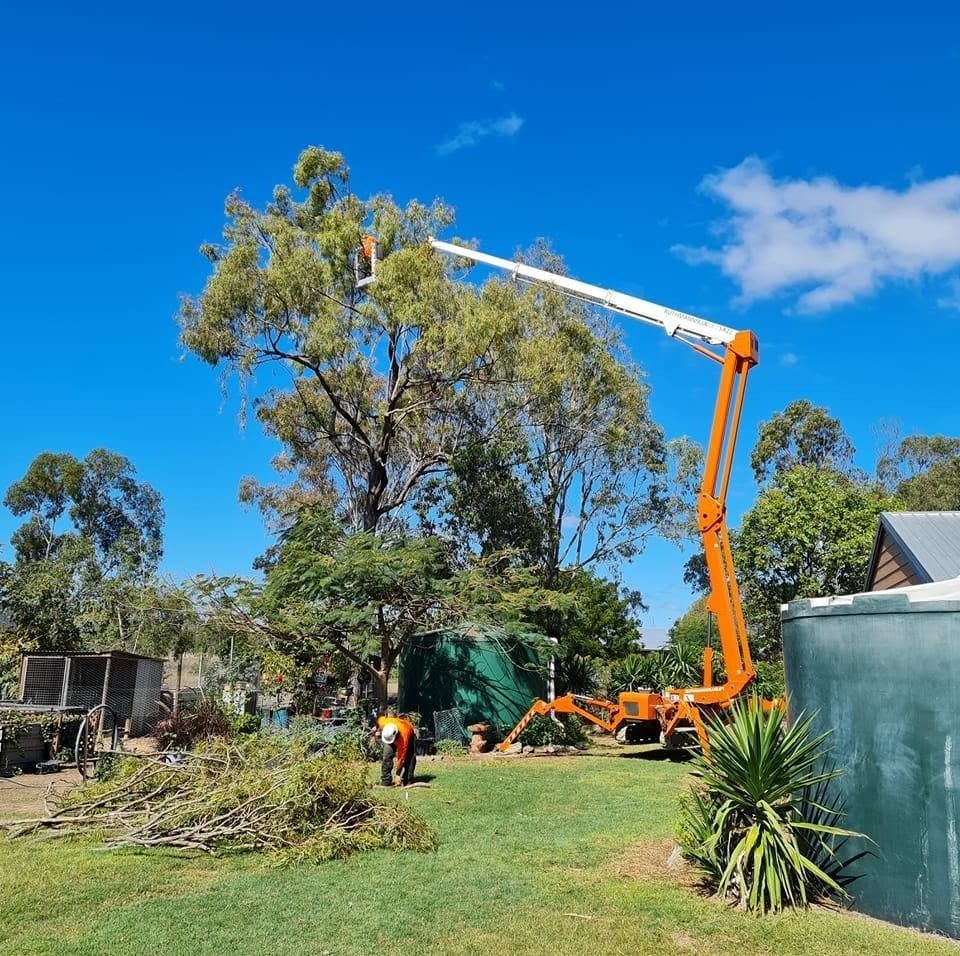
Removing large gums requires high-reach equipment, rigging techniques and trained crews to manage both height and weight safely.
Palms
Palms are common in residential gardens and public spaces throughout Rockhampton. While they don’t usually grow as wide as other trees, they pose unique removal challenges due to their structure.
Complications include:
- Slippery, fibrous trunks that are hard to grip
- Dense crown shafts that must be dismantled carefully
- Height risks when palms grow close to houses or fences
- Risk of falling debris damaging roofs or vehicles
Proper equipment and ladder-free climbing gear are essential for safe palm removal, especially for mature coconut or date palms.
Bottle Trees & Figs
Queensland Bottle Trees and Moreton Bay Figs have distinctive, eye-catching shapes. While they’re valued for their appearance, they can become problematic in tight urban settings due to their spreading canopies and root systems.
Potential issues include:
- Broad root zones that lift paths, pipes or driveways
- Heavy leaf and fruit drop, creating mess or trip hazards
- Dense branch structures that require careful pruning before removal
- Wildlife activity that must be considered during removal
Their removal often involves staged dismantling to avoid damage to nearby infrastructure or landscapes.
She-Oaks & Casuarinas
These wispy native trees are often planted for windbreaks or erosion control, particularly on rural and coastal properties. Though they may appear light, their size and structure can make removal harder than expected.
Common challenges include:
- Tall, narrow trunks prone to sudden splits
- Weak branch unions in mature trees
- Falling risks during high winds or storms
- Proximity to fence lines, sheds or irrigation systems
Professional assessment is key to safely managing the risks these trees pose, especially in exposed or sloped areas.
Weedy or Invasive Species
Some trees in Rockhampton — such as Chinese Elms, Camphor Laurels or Leucaena — are classed as invasive and may need to be removed as part of land management or compliance programs.
These species often cause problems like:
- Rapid, uncontrolled growth that chokes out native vegetation
- Spreading root suckers that regrow if not properly removed
- Difficulty in accessing crowded or overgrown sites
- Legal requirements around removal and disposal
Clearing invasive trees often requires both mechanical removal and follow-up
treatment to prevent regrowth.
Storm-Damaged or Dead Trees
After major weather events, property owners may face fallen limbs, partially uprooted trees or leaning trunks. These situations pose significant safety risks and must be handled with caution.
Hazards include:
- Unstable trees likely to fall during removal
- Hidden rot or hollows that weaken structural integrity
- Trees caught in fencing, wires or other trees
- Obstructed access due to debris or flooding
Removing storm-damaged trees safely often means using cranes, elevated work platforms and chainsaw teams trained in high-risk work.
Trees Close to Buildings or Utilities
When trees grow close to homes, sheds, fences or powerlines, even a small job can become complex. There’s little room for error, and precision is key to avoiding property damage or injury.
Considerations include:
- Limited space for branch drop zones
- Careful sectional dismantling to avoid impact
- Avoiding underground service disruption during stump grinding
- Working under the requirements of electricity or NBN providers
In these situations, qualified teams with experience in urban tree removal are essential.
Dense or Clustered Growth
On rural properties or large blocks, trees may be growing close together or mixed with thick underbrush. This makes access more difficult and increases the effort required to clear vegetation safely.
These sites often require:
- Heavy-duty equipment to access tight areas
- Clearing of undergrowth to safely reach target trees
- Coordination of multi-day clearing schedules
- Environmental consideration if native species are nearby
Working with a local team familiar with Central Queensland vegetation helps ensure the job is done efficiently and responsibly.
How Tree Characteristics Affect Removal Methods
Beyond species, other factors play a role in the removal process. Tree age, growth habit, root structure and even the time of year can affect how the work is carried out.
Important technical details include:
- Whether the tree can be felled in one go or must be dismantled
- How stable the root system is under wet or dry soil
- The likelihood of regrowth from roots or stumps
- How decay or insect damage impacts structural safety
Professional operators use this information to choose the right approach and equipment for each individual tree.
Why Professional Removal Is Essential
Removing a tree safely requires more than a chainsaw and a ladder. There are serious risks involved — both to people and property — when trees are removed without the proper equipment, planning or training.
Qualified tree removal professionals offer:
- Knowledge of local species and conditions
- The right machinery for access, rigging and stump removal
- Trained crews with the required tickets and safety procedures
- Insurance coverage and council compliance where needed
Whether it's a towering gum or a tangle of overgrowth, working with experienced professionals ensures the job is done right the first time.
Make Tree Removal in Rockhampton Simple
From native gums and invasive trees to complex removals near homes or roads, we have the experience, machinery and local knowledge to handle it all safely. Our team works with rural landholders, residential owners and commercial clients to provide reliable, professional vegetation management tailored to Central Queensland conditions.
If you’ve got a tree that’s outgrown its space — or you’re unsure whether it’s safe —
reach out to us today. For expert advice on tree removal Rockhampton locals can trust, we’re here to help.