How Tree Services Can Improve Firebreaks & Bushfire Preparedness
As fire season approaches, many property owners turn their attention to pumps, hoses and evacuation plans. While these preparations matter, the way vegetation is managed across a property can have just as much impact on bushfire outcomes. Trees, fallen branches and dense undergrowth influence how quickly fire spreads and how intensely it burns, particularly during hot, dry and windy conditions. Firebreaks are designed to interrupt this process, but their effectiveness depends on careful planning and ongoing maintenance rather than a once-off clearing effort.
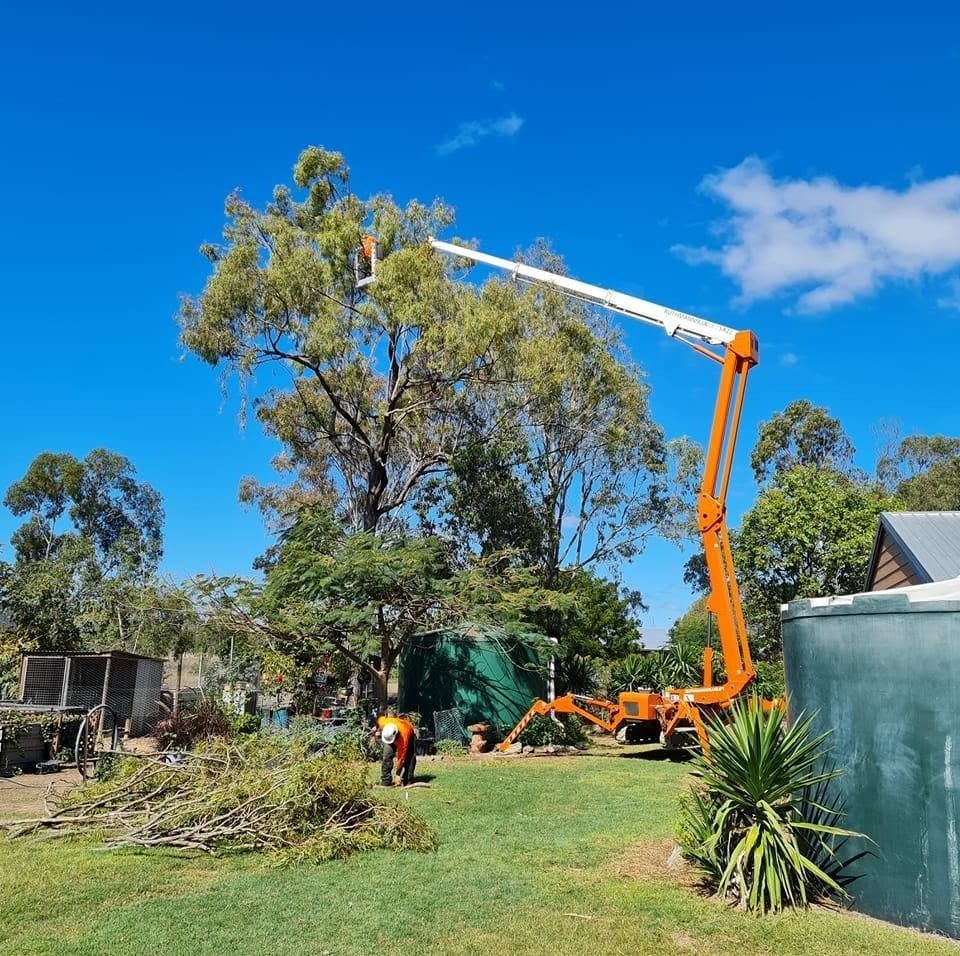
This is why professional tree services in Rockhampton play a critical role in bushfire preparedness. In landscapes where vegetation growth can be fast and seasonal changes are pronounced, unmanaged trees and regrowth can quickly compromise cleared areas. Understanding how trees interact with fire behaviour allows property owners to reduce fuel loads, strengthen firebreaks and make informed decisions that protect homes, livestock and infrastructure before conditions become critical.
Why Firebreaks Fail When Vegetation Is Left Unmanaged
Firebreaks often lose their effectiveness not because they were poorly created, but because they were left unmanaged over time. In high-growth environments, cleared areas can narrow quickly as vegetation encroaches back into the break. Leaf litter, bark and fallen branches steadily reconnect fuel loads, allowing fire to cross with little resistance.
These issues commonly contribute to firebreak failure:
- Fallen limbs and bark shedding that accumulate across cleared ground.
- Low branches extending into firebreak areas and allowing flames to bridge the gap.
- Edge regrowth that becomes dense, dry and highly flammable.
Without regular attention, a firebreak may look intact while offering limited protection. Ongoing tree and vegetation management keeps these zones open, visible and capable of slowing fire spread when it matters most.
Understanding How Trees Contribute to Fire Intensity & Spread
Trees can either help moderate fire behaviour or significantly worsen it, depending on their structure and condition. Unmanaged trees often contain deadwood, dense foliage and peeling bark that ignite easily and burn intensely. These features allow flames to climb from surface fuels into the canopy, creating more dangerous fire conditions.
The following conditions can cause fires to burn hotter and faster:
- Tight spacing between trees that allows fire to move easily from crown to crown.
- Large amounts of dead or decaying material held within branches.
- Bark types that shed and build up dry fuel around the base of trees.
By selectively thinning and
pruning trees, fuel continuity is reduced. This helps lower flame height, reduce radiant heat and improve the ability of firebreaks to slow or redirect fire movement.
Strategic Clearing for Firebreaks Without Overclearing Land
Effective firebreaks rely on thoughtful clearing rather than removing everything in their path. Overclearing can expose soil, encourage erosion and create ideal conditions for weeds to take hold. Strategic clearing focuses on reducing fire risk while supporting long-term land stability and usability.
A balanced clearing approach involves:
- Removing trees that pose the highest fire risk while retaining healthy specimens.
- Managing shrubs and grasses that dry out early in the season.
- Shaping firebreaks to follow natural contours rather than straight lines.
This approach results in firebreaks that are more resilient, environmentally responsible and easier to maintain over time.
Pruning Techniques That Reduce Fuel Ladders Near Structures
Fuel ladders are one of the most dangerous contributors to bushfire intensity around buildings and infrastructure. When low branches and shrubs connect ground fuels to tree canopies, fire can escalate rapidly. Targeted pruning is an effective way to interrupt this vertical fire path.
Pruning helps to:
- Increase clearance between the ground and lower limbs.
- Reduce canopy density so heat can disperse more easily.
- Remove dead, damaged or crossing branches.
These actions reduce the likelihood of fire reaching treetops and help limit radiant heat exposure around homes, sheds and critical assets.
Managing Fallen Timber & Green Waste Before Fire Season
Clearing vegetation without addressing what happens to the waste can unintentionally increase fire risk. Piles of branches and logs left on-site often dry out and become concentrated fuel sources. Managing this material correctly is just as important as the clearing itself.
Good waste management practices include:
- Processing smaller branches into mulch where appropriate.
- Removing large timber from high-risk areas.
- Keeping any stored material well away from buildings, fences and access routes.
Handling debris properly ensures firebreak improvements genuinely reduce overall fuel loads rather than shifting risk to another part of the property.
Firebreak Design for Rural & Semi-Rural Properties
Rural and semi-rural properties require a more considered approach to firebreak design. Larger land areas, varied vegetation and uneven terrain all influence how fire behaves. Firebreaks need to work as part of a broader property layout rather than existing in isolation.
Effective design planning considers:
- Slopes and drainage lines that can accelerate fire movement.
- Prevailing winds during peak fire conditions.
- Existing tracks, fence lines and boundary clearances.
When firebreaks align with natural and built features, they are more effective and easier to maintain as part of everyday land management.
Ongoing Vegetation Maintenance as Part of Bushfire Planning
Bushfire preparedness is not a task completed once and forgotten. Vegetation continues to grow, shed and change throughout the year. Storms and strong winds can also create new hazards with little warning. Without ongoing maintenance, even well-designed firebreaks can lose their effectiveness.
Ongoing maintenance involves:
- Monitoring regrowth and scheduling follow-up pruning.
- Clearing fallen branches after severe weather.
- Reassessing fuel loads as seasons change.
Regular upkeep spreads workload across the year and helps property owners stay prepared rather than reacting under pressure.
Supporting Bushfire Preparedness Through Professional Tree Management
Reducing bushfire risk starts well before smoke is on the horizon. Informed vegetation management helps property owners understand where risks exist and how fire is likely to behave across their land. Professional support brings planning, experience and practical action together.
We at Brown's Vegetation Management work with landholders throughout Rockhampton and surrounding areas to deliver practical vegetation management focused on preparedness and risk reduction. By providing reliable tree services in Rockhampton, we help property owners maintain effective firebreaks, manage fuel loads responsibly and approach fire season with greater confidence and peace of mind.
Get in touch with our team today for effective vegetation management and tree services in Rockhampton.