Best Time Of Year For Tree Removal In Rockhampton
A tree can change significantly across the year. What looks stable during one season may become a hazard after heavy rain, strong winds or months of rapid growth. For many property owners, deciding when to remove a tree is not always straightforward.
Seasonal weather conditions often affect access, safety and the overall removal process. In some situations, planning ahead during the drier months can make tree work more manageable, while other cases require immediate attention regardless of the season.
For anyone considering
tree removal in Rockhampton, understanding how local weather patterns influence timing can help with planning, budgeting and property maintenance decisions.
Why The Dry Season Is Often Preferred For Tree Removal In Rockhampton
The dry season is commonly viewed as a practical time for tree removal because the ground is usually firmer and access conditions are more stable. Reduced rainfall can make it easier for machinery and workers to move safely around a property without causing unnecessary damage to lawns, gardens or driveways.
Drier conditions may also improve visibility when assessing branches, canopy structure and surrounding hazards. Clean-up and debris removal can often be completed more efficiently when the site is not affected by mud or standing water.
For larger tree removal projects, planning during the drier part of the year may also help property owners prepare ahead of storm season when damaged trees can place extra pressure on emergency services and contractors.
Storm Season Can Quickly Turn A Healthy Tree Into A Safety Risk
The wet season often brings strong winds, saturated soil and severe storms that place additional stress on trees. Even trees that appear healthy can suffer structural damage during prolonged bad weather.
Common storm-related tree hazards include:
- Cracked or split branches
- Uprooted trees after heavy rain
- Leaning trunks caused by unstable soil
- Fallen limbs near roofs, sheds or fences
- Blocked driveways and access points
After storms or cyclones, emergency tree removal may become necessary to reduce immediate risks around homes and commercial properties. Fast-growing vegetation and waterlogged soil can also increase the likelihood of unexpected tree failures during this time of year.
Overgrown Branches Near Homes And Powerlines Should Not Wait Too Long
Tree growth changes throughout the year, especially during warmer and wetter periods. Overhanging branches can begin to interfere with roofs, gutters, fencing and nearby powerlines if left unmanaged for too long.
Preventative trimming and vegetation management can help reduce these risks before severe weather arrives. In some cases, partial pruning may be suitable, while in others, complete tree removal may become the safer long-term option.
Property owners often delay addressing overgrown trees until branches become visibly problematic, but earlier assessment can help avoid more complicated work later. Timing maintenance before peak storm periods may also reduce the chance of emergency call-outs after strong weather events.
Planning Renovations Or New Landscaping? Timing Matters More Than Many Property Owners Expect
Tree removal is often one of the first steps in larger property projects. Construction access, fencing installations and landscaping upgrades may all require vegetation clearing before work can begin safely.
Common reasons property owners schedule tree removal include:
- Preparing for home extensions
- Improving driveway or vehicle access
- Clearing space for pools or sheds
- Reducing root interference near foundations
- Opening space for new landscaping designs
Stump grinding and debris removal are also important parts of the process, especially when future excavation or paving work is planned. Coordinating tree removal early can help other trades access the site more easily and avoid delays during construction.
Wet Weather Can Affect Machinery Access And Clean-Up Conditions
Heavy rainfall can make tree removal work more difficult, particularly on sloped blocks or soft ground. Saturated soil may limit machinery access and increase the risk of vehicles becoming bogged or damaging the property.
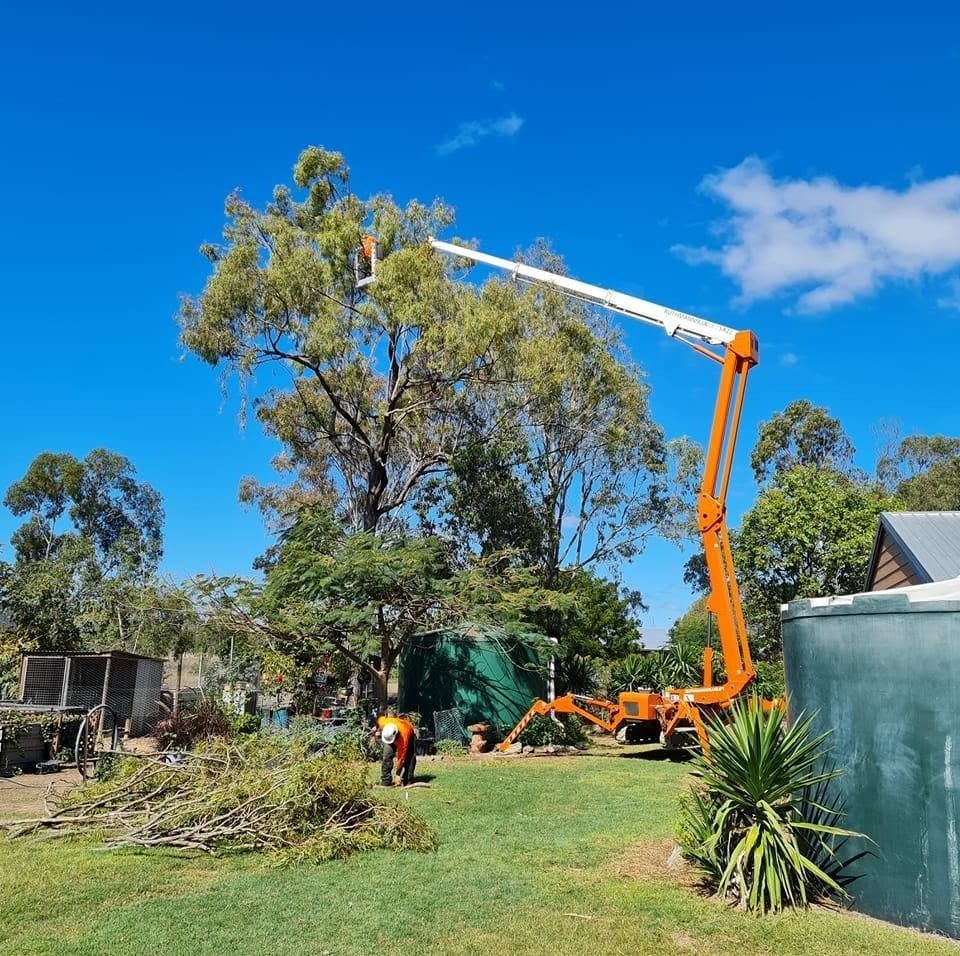
Wet conditions can also affect how branches and debris are managed once the tree is removed. Larger trees often require heavy equipment for safe dismantling and transport, which may not always be practical during prolonged rain periods.
Planning around weather conditions helps reduce disruption to the site and allows arborists to assess the safest removal methods. In some cases, postponing non-urgent work until conditions improve may help minimise additional property damage.
Dead Or Diseased Trees May Need Attention Regardless Of The Season
Not every tree removal project can wait for ideal weather. Trees affected by disease, decay or structural weakness may present ongoing risks that need immediate assessment.
Warning signs can include:
- Hollow sections within the trunk
- Dead or falling branches
- Fungal growth around roots or bark
- Visible leaning or cracking
- Thinning canopies or poor leaf growth
Damaged trees can become less stable over time, particularly during strong winds or periods of heavy rain. Arranging inspections when these signs first appear may help property owners understand whether pruning, monitoring or removal is the most suitable option.
Council Requirements And Permits Can Influence Removal Timelines
Some trees may require council approval before removal work can proceed. Protected vegetation, environmental overlays or development regulations can all affect the timing of a project.
Permit requirements may vary depending on the tree species, size and location on the property. This is especially relevant when trees sit near waterways, public land or neighbouring properties.
Seeking arborist advice early in the planning process can help clarify whether approvals are required before work begins. Factoring permits into the timeline may help avoid unnecessary delays, particularly for larger property projects or commercial sites.
After The Tree Is Gone, Site Clean-Up And Recovery Still Matter
Removing the tree is only part of the overall process. Once the work is complete, the site often needs additional attention before it can be reused safely.
Post-removal services may include:
- Stump grinding and root management
- Branch and debris removal
- Mulching and vegetation recycling
- Levelling disturbed ground
- Preparing the area for landscaping or construction
A clear site can improve safety, restore access and create more usable outdoor space. Proper clean-up also reduces leftover hazards such as hidden roots, loose branches or uneven ground following large removals.
Changing weather conditions, fast seasonal growth and severe summer storms can all affect when tree removal work is safest and most practical around Rockhampton properties. Planning ahead may help reduce risks before trees become more difficult to manage.
At
Brown's Vegetation Management, we assist with
tree removal in Rockhampton for residential, rural and commercial properties across the region. Whether you are dealing with storm damage, overgrown vegetation or planning future property works,
contact our team to discuss suitable tree management options.